

Why Everything You Know About SEO Is About to Change
For over two decades, the SEO playbook was written in the language of keywords and rankings. If you could match a string of text and build enough authority, you would win the click.
But as we move through 2026, we’ve reached a definitive tipping point. Generative AI hasn't just changed the rules; it has rewritten the game entirely. We are no longer optimizing for a "librarian" that points users toward a book; we are optimizing for an "advisor" that reads every book on the shelf and summarizes the answer.
The Death of the "Retrieval Era".
Traditional search was a retrieval game. You asked a question, and Google provided you with ten blue links, essentially a "to-do list" of reading material.
Today, tools like ChatGPT, Claude, and Google’s Gemini-powered AI Mode have shifted the model from retrieval to synthesis. These systems don’t just find your content; they ingest it, blend it with a dozen other sources, and deliver a ready-made response. In this environment, "ranking first" is a legacy metric. The new gold standard is Citation Stability, ensuring your brand is the specific source the AI trusts enough to quote.
A New Discipline: From SEO to GEO
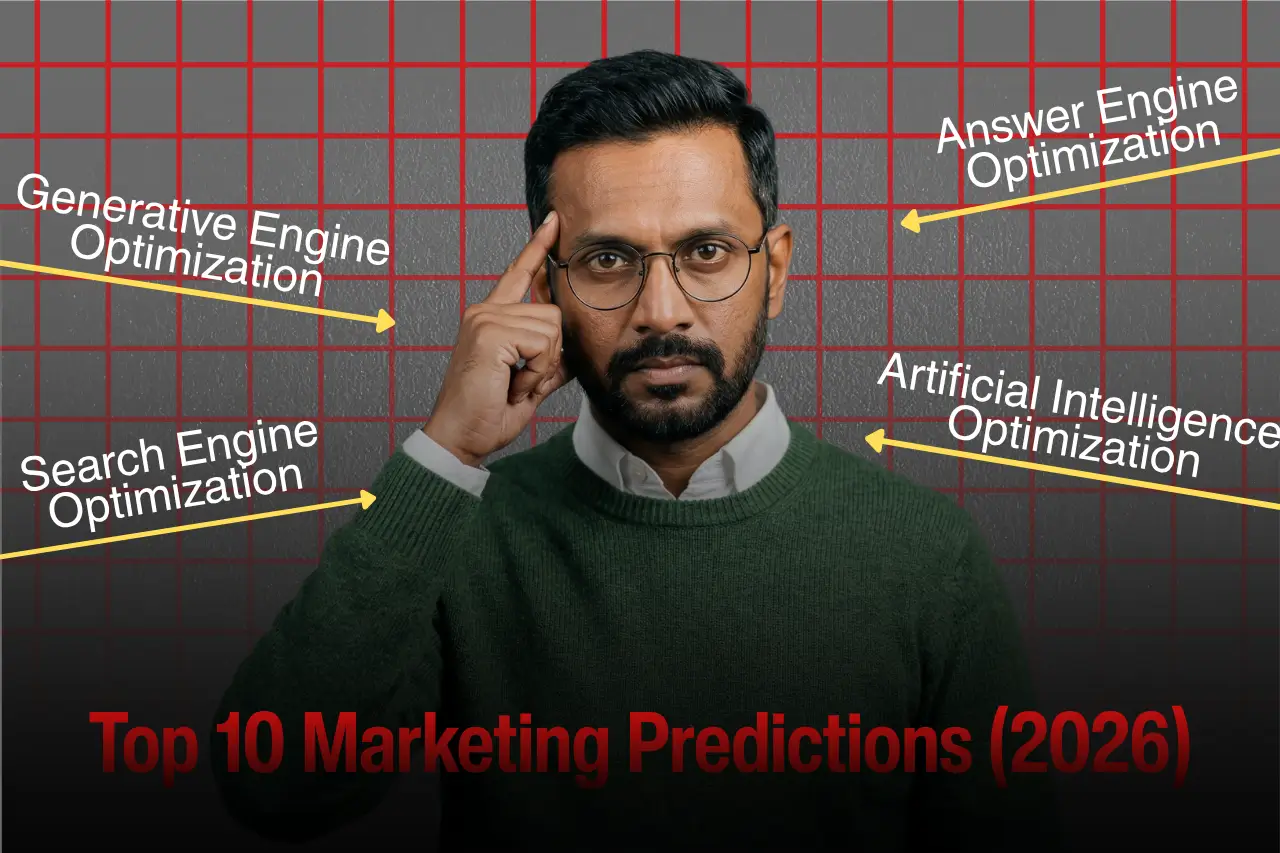
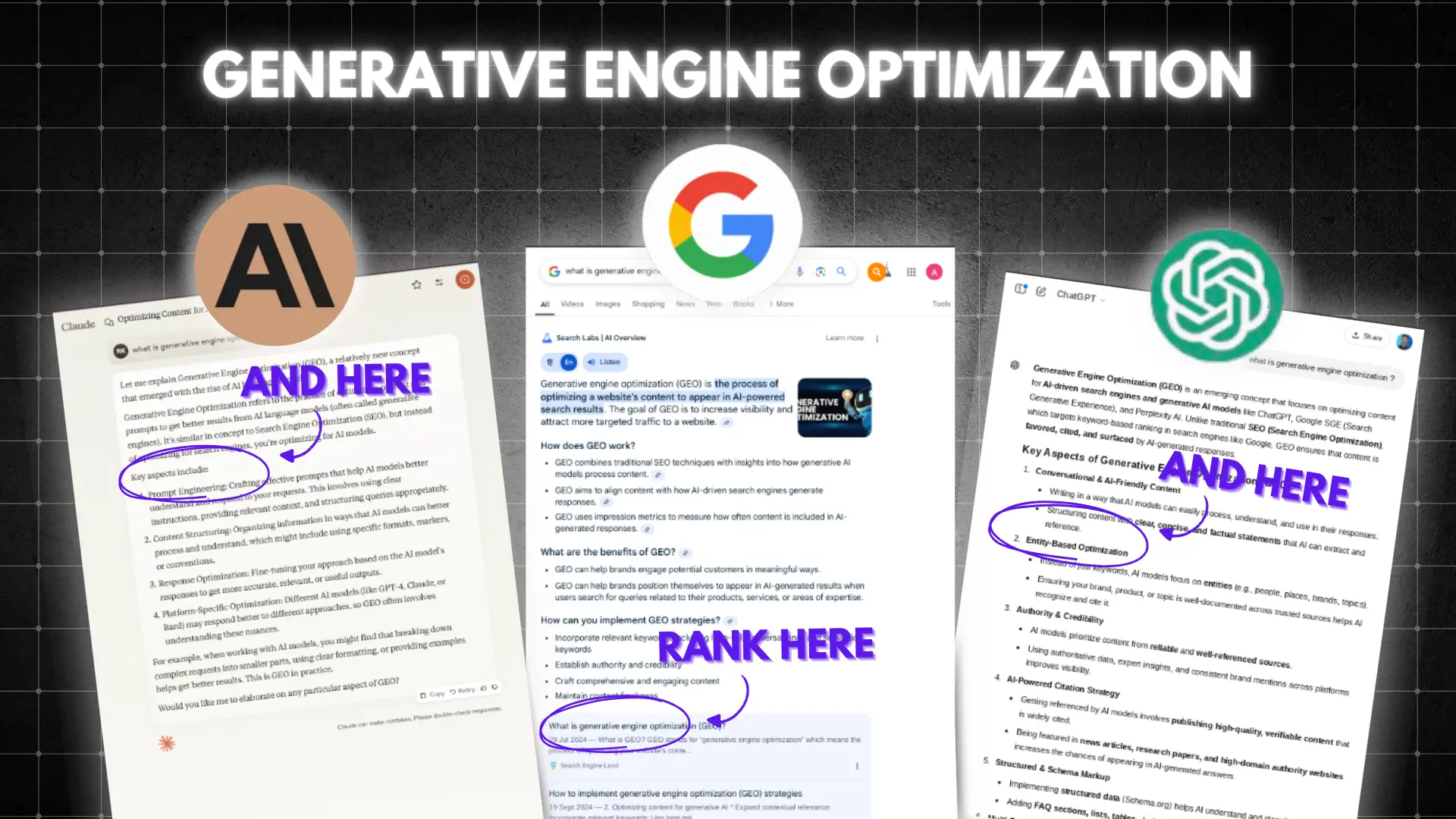
As user behavior shifts toward "zero-click" searches where the answer is provided entirely within the AI interface, the industry is splitting. We are seeing the rise of Generative Engine Optimization (GEO)and Agentic SEO. *Traditional SEO is now about maintaining technical health and "training signals".
- GEO is about building a semantic footprint that makes your expertise undeniable to large language models (LLMs).
This guide isn’t just a post-mortem on the old way of doing things. It’s a roadmap for the 2026 landscape. We will explore how to protect your brand’s visibility in a world where AI agents do the searching for us, and how you can position your career to lead this new, agentic era of digital marketing.
Methodology: How the Job Market Data Was Collected

To understand how SEO roles are evolving, I analyzed LinkedIn job postings spanning 2022 through early 2026.
The dataset began with roughly 850 postings tied to SEO-related titles such as SEO Manager, SEO Specialist, Technical SEO, Content Strategist, and newer roles like GEO Specialist and AI Search Optimization Lead.
Because LinkedIn doesn’t provide old listings, I used additional methods to validate historical postings:
- Google Cache / Wayback Machine: Searching Google for the job title + company + “LinkedIn,” or pulling archived versions of job pages.
- Company Careers Pages: Visiting company sites directly to check for “archive” or “past openings” sections (though this is less common).
After removing duplicates and filtering out misclassified roles (e.g., social media managers or general marketers with no SEO component), I isolated 412 authentic SEO postings for detailed analysis.
What the Data Reveals
- We’re in a hybrid moment. Companies aren’t abandoning traditional SEO; they’re layering it with AI skills.
- Agencies are cautious. Roughly 68% of postings still emphasize classic skills like link building and keyword research, but now also require skills such as “AI tool proficiency” or “experience with generative search optimization".
- New roles are emerging. Dedicated Generative Engine Optimization (GEO) positions showed up in 14% of 2025–2026 postings, mostly from tech-forward brands and SaaS companies. These roles simply didn’t exist in 2022–2023.
- The market is splitting. Some organizations are doubling down on traditional SEO, while others are carving out entirely new specializations for the AI-native search era.
The Skills That Still Matter (and How Job Descriptions Frame Them)
While the AI "earthquake" has shifted the landscape, the bedrock of SEO remains surprisingly firm. We aren't throwing out the old playbook; we’re just reading it through a different lens.
If you look closely at modern job descriptions, you’ll see that companies aren't just looking for button-pushers; they’re looking for architects of digital trust. Here is how the "classic" skills are being redefined in the age of AI.
Technical SEO: The Infrastructure of Discovery
In many ways, technical SEO has moved from a "specialty" to "table stakes." If an AI agent or a search bot can't parse your site, you effectively don't exist.
What the Job Description Says:
- "Conduct comprehensive technical audits to identify crawlability issues and site speed bottlenecks."
- "Implement Schema.org to enhance search engine understanding."
- "Monitor Core Web Vitals for mobile-first compliance."
The technical foundation hasn't disappeared; it’s just serving a dual audience.
You aren't just optimizing for a Google crawler anymore; you’re optimizing for Large Language Models (LLMs) that "scrape" and "digest" your site to provide citations.
Content Strategy: From "Keywords" to "Meaning."
Job descriptions still talk about "clusters" and "intent," but the underlying goal has shifted from gaming an algorithm to establishing genuine topical authority.
What the Job Description Says:
- "Develop content strategies aligned with user intent at each stage of the buyer journey."
- "Create content clusters and pillar pages that establish topical authority."
- "Optimize for Featured Snippets and People Also Ask sections."
Data Analysis: Finding the Signal in the Noise
The tools have changed (and gotten more complex), but the ability to translate a spreadsheet into a business strategy is more valuable than ever.
What the Job Description Says:
- "Analyze organic traffic trends using GA4 and Search Console."
- "Track keyword rankings and identify opportunities for optimization."
- "Provide actionable insights to stakeholders based on performance metrics."
Data is easier to get than ever, but insight is rarer.
We’re moving into a "post-click" world where traditional traffic might dip, but "brand mentions" in AI-generated answers might skyrocket.
An expert SEO professional today needs to be a bit of a detective, looking beyond simple click-through rates to understand how their brand is being perceived across the entire AI ecosystem. It’s no longer about counting hits; it’s about measuring influence.
The Skill Shifts: What’s Fundamentally Different
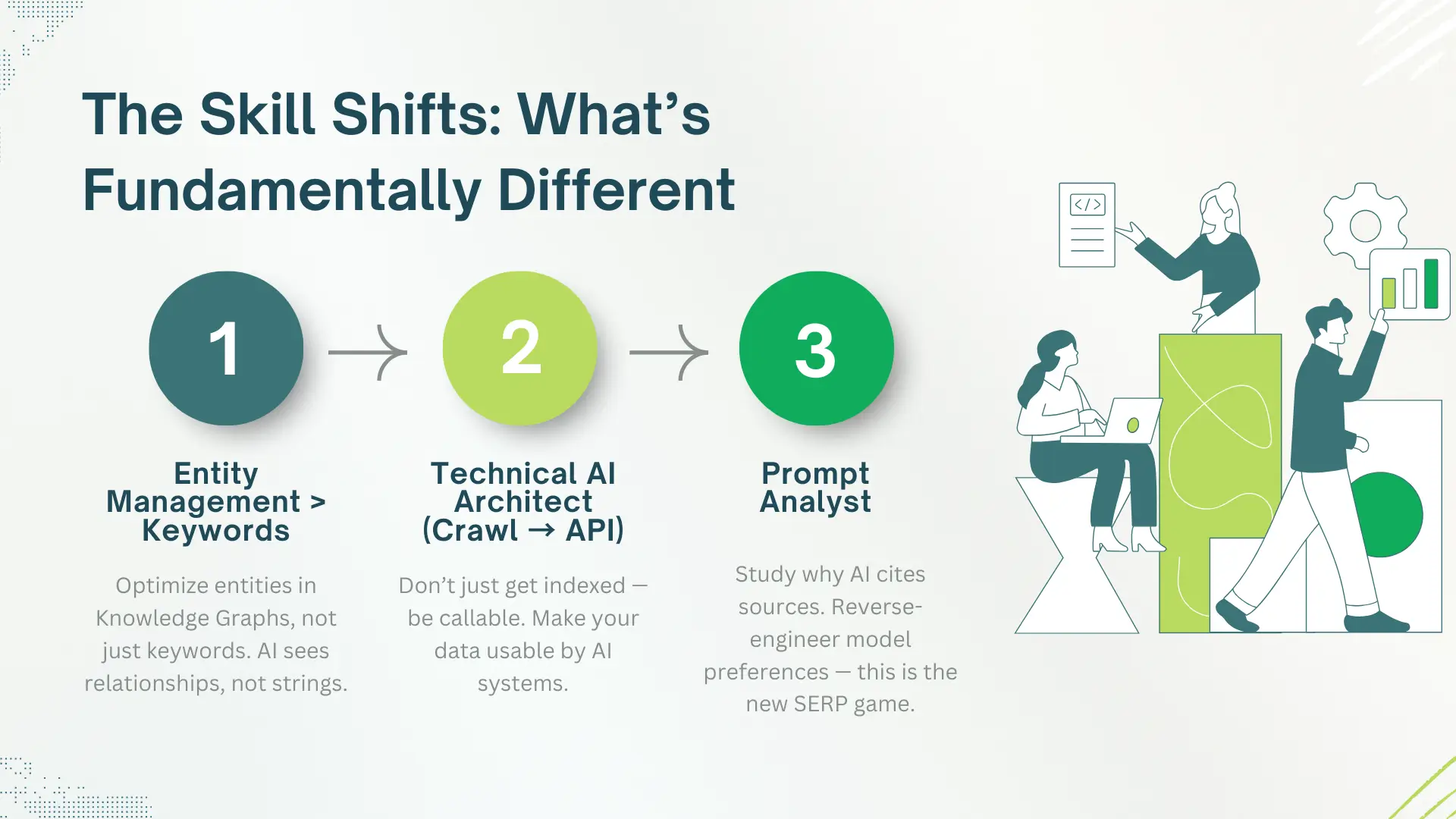
Beyond the continuity of basics, our analysis of 2026 job postings reveals three seismic shifts. These aren't just "nice-to-haves"; they are capabilities that were fringe in 2022 but now define the top 10% of SEO talent.
Skill Shift 1: Entity Management Over Keyword Targeting
In the old world, we optimized pages for strings of text. In 2026, we optimize Entities for a Knowledge Graph. AI models don't just see your website; they see a "node" in a massive web of relationships.
How Job Descriptions Frame It:
- "Manage brand entity relationships across knowledge graphs and ensure accurate representation in Google’s Knowledge Panel."
- "Optimize for entity-based search by establishing connections between brand, products, and executives."
When ChatGPT or Google’s Gemini encounters your brand, it’s not searching for keywords; it’s asking, "Who is this, and what are they known for?" To win today, you must curate your brand’s "digital identity."
This means your Wikipedia entry, Crunchbase profile, and Schema markup must all tell a consistent story. You aren't just ranking for "project management software," you’re training the AI to associate your brand entity with "Agile," "Remote Work," and "Team Productivity."
| Feature | Traditional Keyword SEO | 2026 Entity SEO |
|---|---|---|
Focus | Matching specific search queries | Building authority for a concept/brand |
Goal | Ranking for "best cloud storage." | Being the "Cloud Storage" node in the graph |
Signal | Keyword density and backlinks | Mentioned alongside related trusted entities |
Skill Shift 2: The Technical AI Architect (Crawl-to-API Integration)
The most radical change in the last two years is the move from "reading" to "doing". We’ve moved past the era of just getting indexed; we are now in the era of being callable.
How Job Descriptions Frame It:
- "Ensure website APIs are accessible and documented for AI agent interactions."
- "Design 'AI-readable' site architecture that enables task completion beyond retrieval."
If a user asks an AI agent to "Find and book a flight to Tokyo," the AI doesn't want to read a 2,000-word blog post about Tokyo. It needs to ping an API to check real-time availability and price.
The new technical SEO role is essentially a Systems Architect. You are no longer just optimizing HTML; you are optimizing the structured endpoints that allow AI agents to act on your data.
If your site isn't "agent-ready," you aren't just losing traffic, you’re losing the transaction entirely.
We used to spend hours deconstructing Google’s core updates. Now, we spend that time deconstructing why an AI model chooses one source to cite over another. This is the new "SERP Analysis".
How Job Descriptions Frame It:
- "Reverse-engineer what information models prioritize using AI-specific tools."
- "Conduct competitive analysis by analyzing which sources multiple AI systems cite."
AI models have specific "preferences" for content structure. They love "receipts" original data, clear heading hierarchies, and factual density.
As a Prompt Analyst, your job is to query multiple LLMs (Perplexity, ChatGPT, Claude) to see who is getting the "Citation Gold" and why. Is it because their data is newer? Is it because they use specific Schema types? We are moving from guessing what a bot likes to systematically testing what a model trusts.
The Terminology Shift: How the Industry Talks About This Work
Language is the first thing to change when a revolution hits. In the world of search, we’re seeing a fascinating "linguistic lag." Companies know the work has changed, but they are still testing out the words to describe it.
The job posting analysis reveals that we aren't just adding new bullet points to old roles; we are witnessing the birth of entirely new disciplines. Here is how the market is carving up the new landscape.
GEO (Generative Engine Optimization)
The Stats: Appearing in 14% of 2025–2026 postings.
This is the clearest winner in the "terminology war." When a company hires a "GEO Specialist", they are signaling that they’ve moved past the "blue link" era. They are specifically looking for someone who can ensure the brand is cited by ChatGPT, Gemini, and Perplexity. It’s no longer about ranking; it’s about inclusion in the AI's cognition.
AI Search Optimization
The Stats: Appearing in 22% of recent postings.
This is the "safe" middle ground. It’s often used by organizations that haven't fully committed to the GEO framing but realize that "Traditional SEO" feels outdated. If you see this in a job description, expect a hybrid role: 60% standard technical SEO and 40% experimental AI visibility work.
The Terminology Mess (And What Actually Matters)
You'll see other terms floating around:
- AEO (Answer Engine Optimization): Pre-dates AI. Originally meant featured snippets. Some agencies retrofitted it to mean GEO, but it's losing ground. (~8% of postings)
- AIO (AI Optimization): Too vague. Could mean anything AI-related. Red flag that the company hasn't defined its strategy. (~6% of postings)
- LLMO (Large Language Model Optimization): Technical and niche. You'll see this in AI-first startups, not mainstream marketing. (<3% of postings)
Emerging "Niche" Titles
As the market matures, we are seeing more specialized surgical roles:
| Term | Frequency | What it Actually Means |
|---|---|---|
Entity Strategist | 6% | You are the "Digital Identity Architect." You manage how Google’s Knowledge Graph connects your CEO to your products and industry. |
Source Authority Optimization | 3% | The most precise (and rarest) term. This is pure "citation hunting", turning your brand into the definitive, quoted expert in a space. |
The "Linguistic Ambiguity" Phase
If you’re looking at these job descriptions and feeling confused, you’re not alone—the companies are too. Many postings still tuck "Generative AI experience" into a standard SEO Manager role.
This ambiguity is actually a massive opportunity. For the professional who can speak the language of both traditional search and the new AI-driven reality, you aren't just a candidate; you're the person helping the company define what their next five years will look like.
Conclusion: From Ranking to Reputation
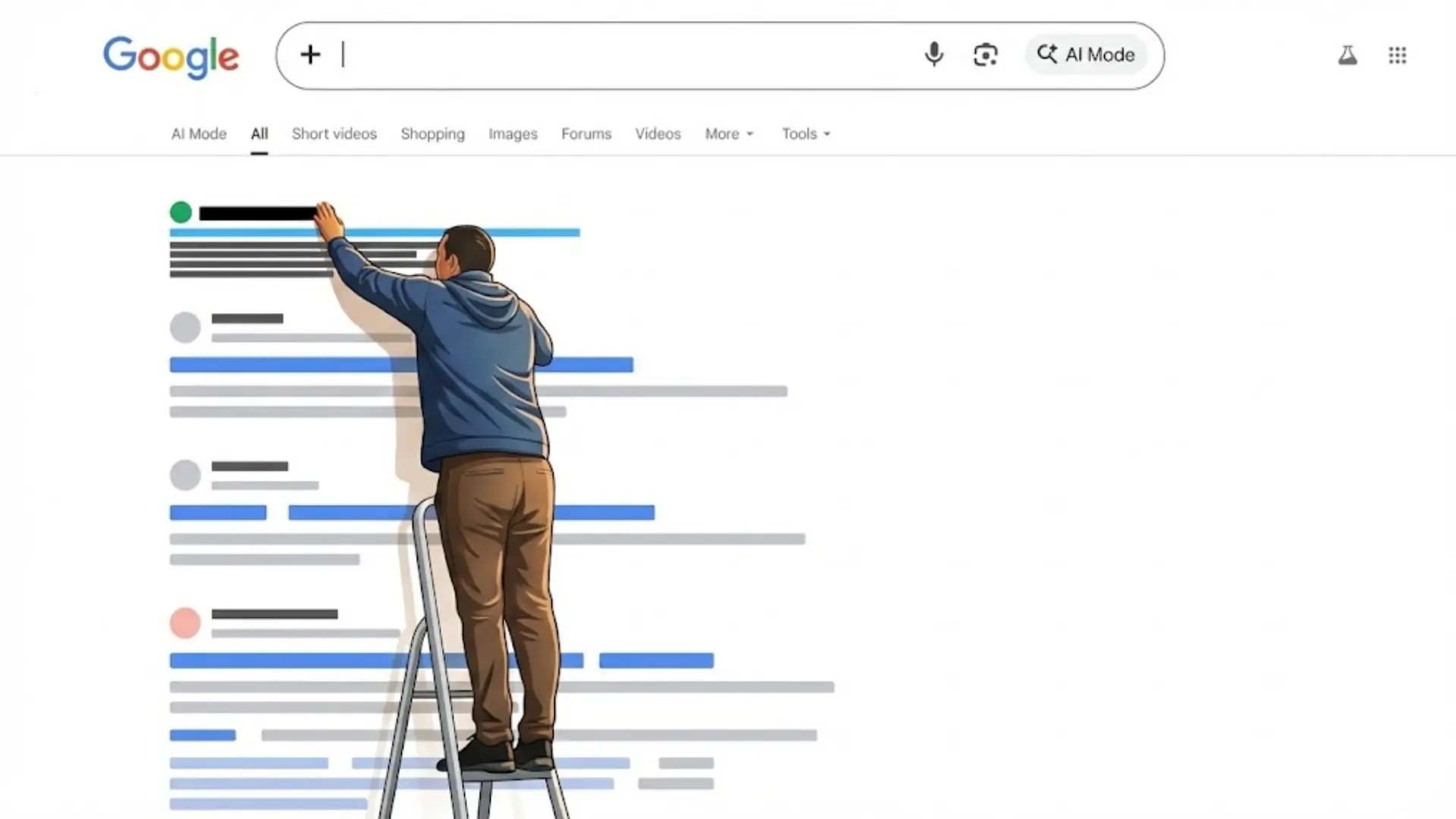
AI doesn't just look for keywords; it looks for consensus. It asks: Does the Knowledge Graph trust this brand? Is this author a verified expert? Is this data structured in a way that I can safely repeat it to a user?
If you want to thrive in this new era, your mission is simple but profound: Be the source that the AI can't afford to ignore. * Stop chasing volume; start chasing authority. One high-quality citation from an AI agent is becoming more valuable than a thousand low-intent clicks.
- Bridge the gap. Modern SEO requires you to sit at the intersection of traditional marketing, data science, and technical architecture.
- Stay human. As the web becomes flooded with synthetic, AI-generated content, the "human signals" of original research, personal anecdotes, and verified expertise will become the most powerful ranking factors we have left.
The "ten blue links" may be fading, but the need for clear, authoritative, and structured information has never been higher. The future of SEO isn't about fighting the machines; it's about teaching them who the experts are.