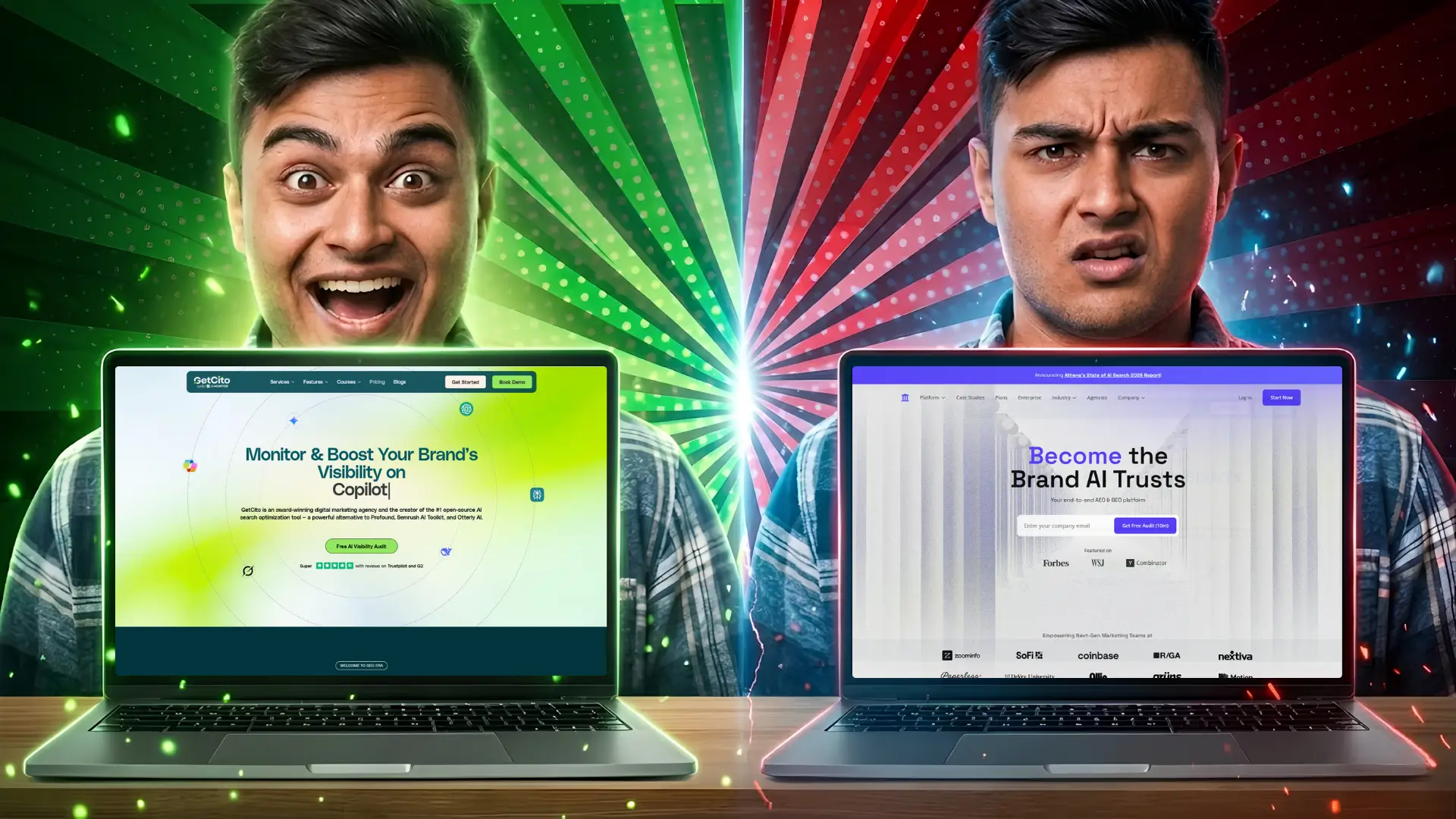


The Quick Verdict: Who Wins in 2026?
Short answer: It depends on your operational DNA.
GetCito is the premier open-source GEO tool for startups and agencies seeking data sovereignty and is a free forever tool. AthenaHQ is a premium enterprise automation engine ($295/mo) that uses autonomous agents to identify informational voids and provide revenue attribution for e-commerce brands on Shopify.
Choose GetCito If You Value:
- Unrestricted tracking and experimentation (unlimited queries vs. credit-based limits)
- Data sovereignty and transparency (open-source core, self-hosting option)
- Long-term authority building (Entity SEO and knowledge graph alignment)
- Cost predictability (flat-rate pricing starting at $299/month)
- Developer-friendly customization (API-first architecture, custom workflows)
Best for: SMBs, multi-client agencies, technical marketing teams, developers, SEO engineers, and B2B SaaS companies that need flexibility, control, and long-term strategic positioning.
Pick AthenaHQ if you want:
- A fast start: Their team handles the setup for you so you can see results without lifting a finger.
- Auto-pilot content: You get AI agents that actually write and polish your drafts for you.
- Corporate peace of mind: All the big compliance boxes like SOC 2 and GDPR are already checked.
- Massive reach: It tracks your brand across 27+ different AI platforms and models.
- Zero guesswork: The dashboard literally tells you what to do next to improve your score.
Best for: Large companies, high-speed agencies, and anyone who would rather pay for speed than spend their weekend tweaking settings.
At-a-Glance Comparison: Key Differences
| Criteria | GetCito | AthenaHQ |
|---|---|---|
Primary Audience | Technical Marketing Teams, SMBs, Developers, Agencies | Enterprise Brands, High-Growth Agencies, Non-Technical CMOs |
Core Philosophy | Data Sovereignty & Entity SEO | Actionable Automation & Content Velocity |
Control vs Automation | High Control - Manual setup with custom workflows | High Automation - AI agents for automated remediation |
Pricing Model | Flat-rate with unlimited credits (Starting at $299/month) | Credit-based (1 credit = 1 response, starting at $295/month) |
AI Platform Coverage | 11+ major platforms | 27+ platforms, including specific versions |
Usage Model | Unlimited queries | Credit-based (can be restrictive) |
Best For | Long-term authority, cost efficiency, and developer customization | Quick visibility spikes, enterprise compliance, hands-off execution |
Control becomes critical as AI answers influence brand trust and compliance.
Why does this Comparison Exist?
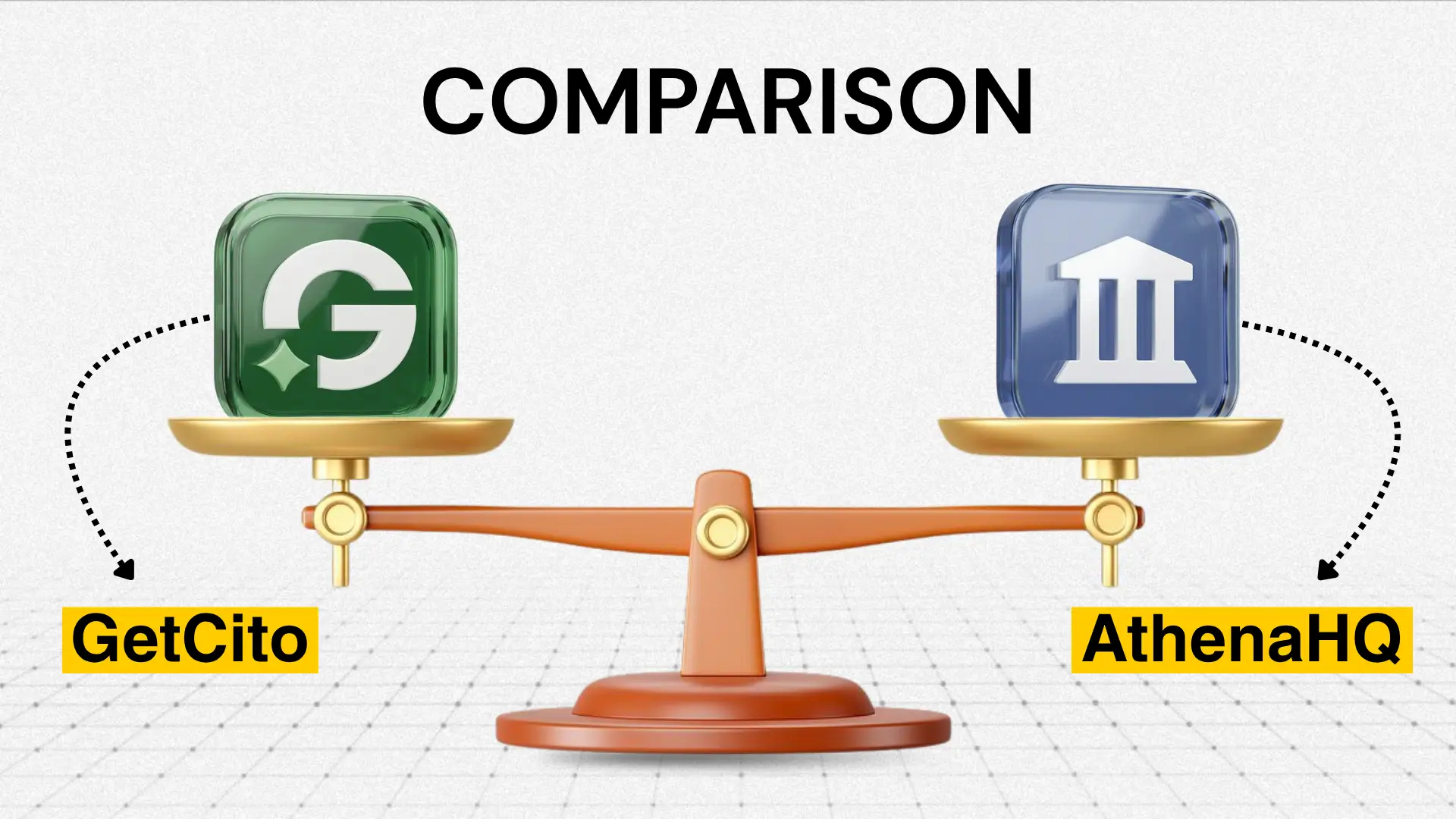
Why Answer Share of Voice Is Replacing Traditional SEO Rankings as the Primary Marketing KPI.
Forget the blue links. With 83% of users choosing AI answers over search results, Answer Share of Voice is the new gold standard.
GEO represents a fundamental shift in how we think about visibility. The sudden rise of Large Language Models like ChatGPT, Gemini, and Google's AI Overviews has transformed how people find information online. And for brands, GEO tools boost citation visibility by up to 40% in AI-generated responses.
Who am I?
Hi, I’m Avinash. I didn’t get into Generative Engine Optimization (GEO) because I wanted to; I got into it because I had to. A few years ago, Microsoft Copilot tore my startup apart in a generated answer. I was furious. But once the anger faded, I became obsessed with understanding why the AI said what it said.
That led me to be named the #1 GEO Consultant by YesUsers. I've spent the last few years testing multiple platforms, not just reading their marketing pages, but connecting real websites, tracking real competitors, and measuring real results.
As co-founder of GetCito, the tool is like my baby. I have seen it start, grow, evolve, and adapt.
This blog serves as your guide for selecting the best tool available, tailored to your specific requirements and preferences. My goal is to help you think strategically about AI visibility as long-term infrastructure, not just any 2026 trend.
I assure you this blog is without biased views and market fluff. The results are obtained with real-time comparisons and research. I actively recommend AthenaHQ to those clients who prioritise execution speed over system ownership.
In 2026, the better GEO platform is the one that compounds authority, not just accelerates actions.
Deep-Dive Feature Analysis
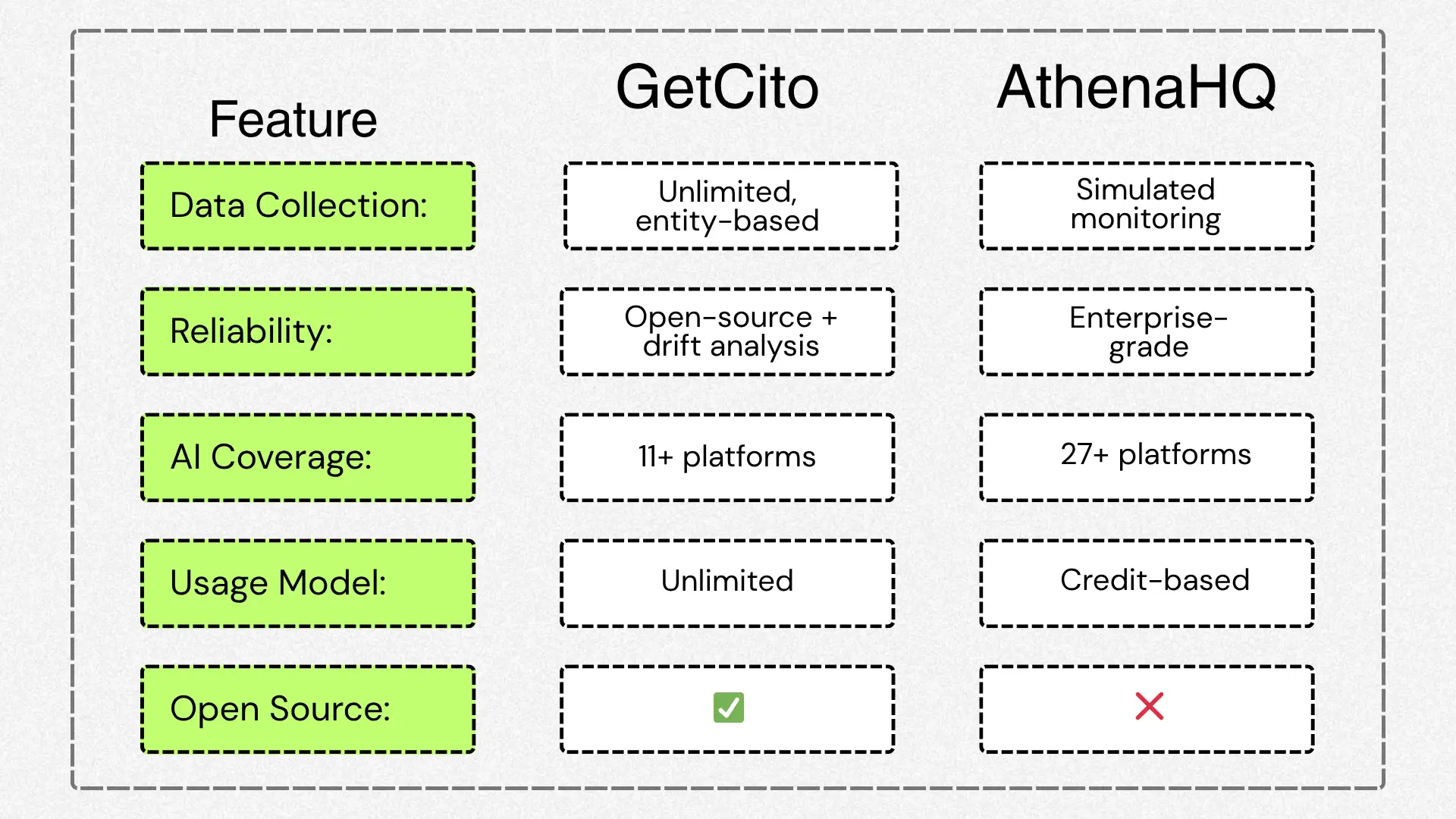
Okay, marketing fluff aside, let's look under the hood. This is where the real differences show up.
Technical Architecture: How Each Platform Works
| Feature | GetCito | AthenaHQ |
|---|---|---|
Data Collection | Entity-conditioned unlimited query probing with audit trails & crawler monitoring | High-volume simulated daily monitoring |
Reliability | High for technical teams; Open-source core with AI model drift analysis | High for enterprises; SOC 2 and GDPR compliant infrastructure |
AI Platform Coverage | 11+ major platforms (ChatGPT, Claude, Gemini, Perplexity) | 27+ platforms, including specific model versions (Gemini 1.5/2.0) |
Usage Model | Unlimited queries | Credit-based (can be restrictive for SMBs) |
Open Source | ✅ Yes - Self-hosting available | ❌ No - Proprietary |
What This Means for You:
With GetCito, the unlimited model changes the game because it removes the fear of hitting a cap. You can freely test 1,000 different prompts to really see how AI interprets your brand without worrying. That freedom is massive for learning speed, particularly when you’re just starting with the GEO strategy.
AthenaHQ is different. Since every query burns a credit, you naturally become more hesitant to experiment. It works fine for enterprises that just need steady monitoring, but for agencies juggling multiple clients, that credit drain creates a real bottleneck.
Brand Mention Tracking: Different Philosophies
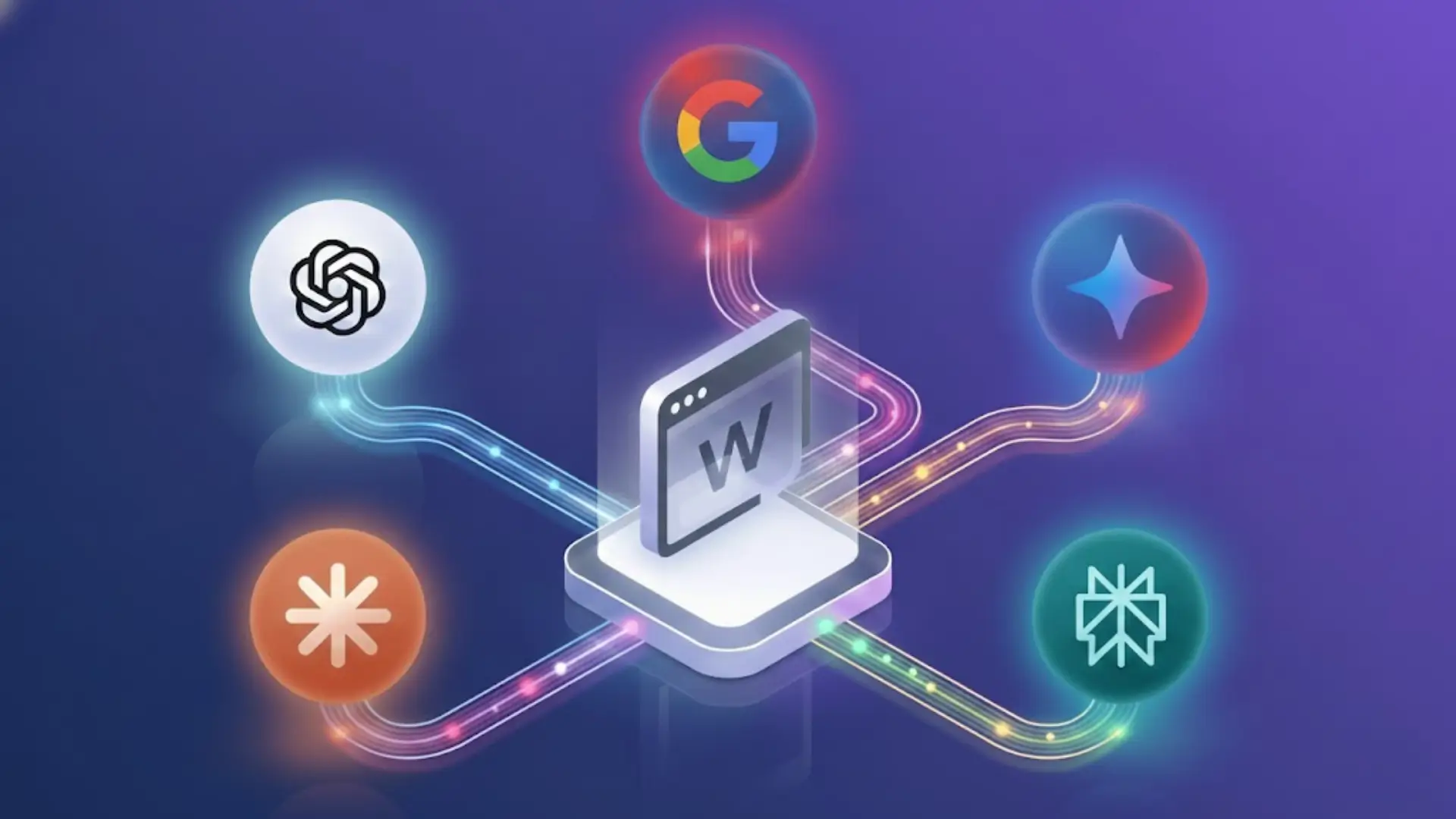
GetCito's Approach: Raw Data & Diagnostic Intelligence
GetCito uses a 'Real Query Database' that gives you raw mention context. When an AI system mentions your brand, you see:
- The exact prompt that triggered it
- The full response
- The surrounding context
- Entity relationships and knowledge tree analysis
This diagnostic approach helps you understand why visibility exists or doesn't based on knowledge trees and entity relationships.
Think of it like this: GetCito shows you the raw data and lets you draw conclusions. It's built for teams that want to understand the mechanism, not just the outcome.
AthenaHQ's Approach: Automated Insights & Actions
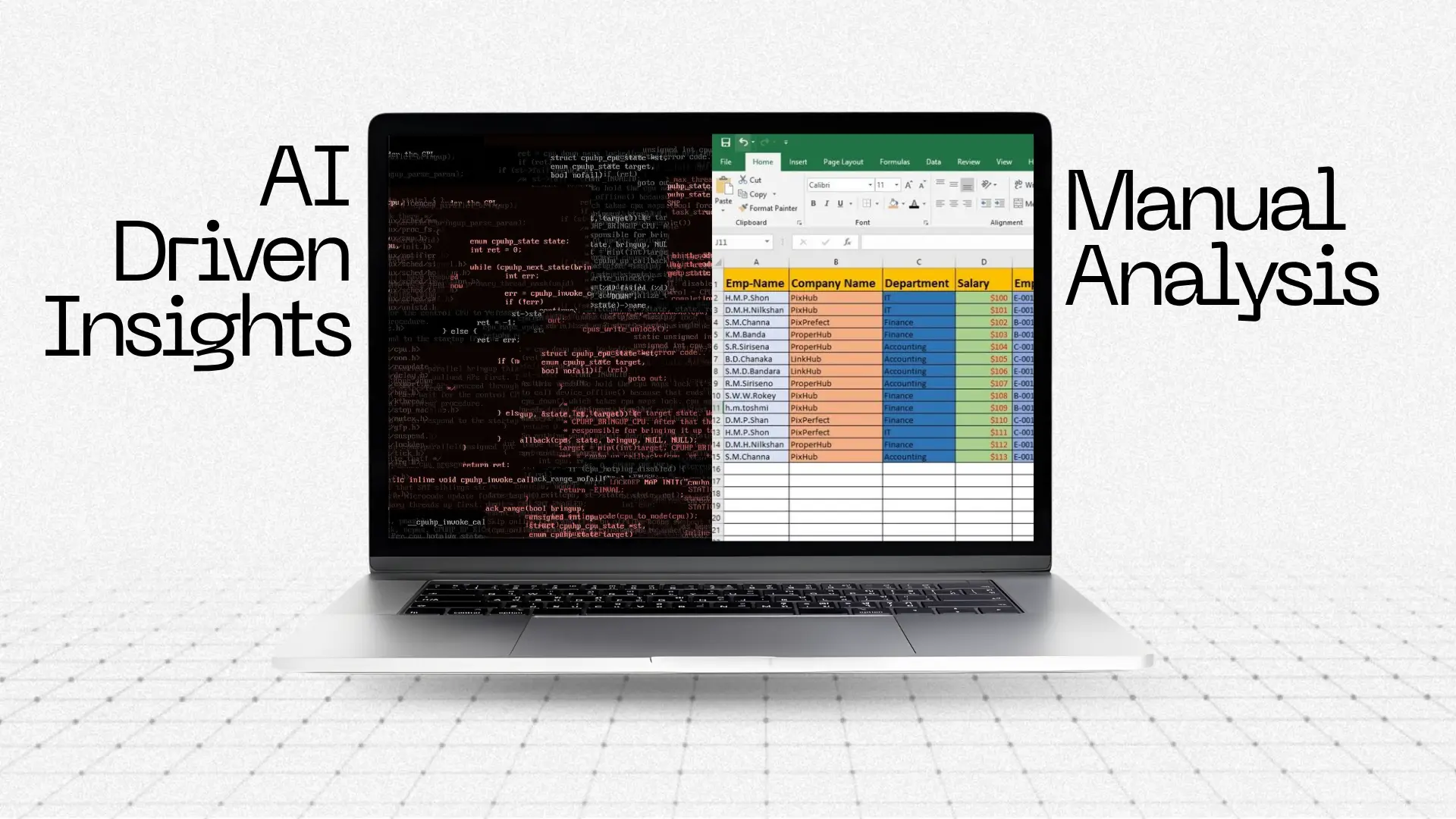
AthenaHQ leans heavily into automation. Instead of just presenting raw data, it runs daily monitoring and distills those findings into a clear to-do list. When your brand pops up, the platform assesses the sentiment and verifies the facts immediately.
But the real value is that it tells you exactly how to respond, whether that’s updating a specific piece of content or creating a new FAQ, and ranks those tasks based on impact. Essentially, AthenaHQ hands you the conclusions rather than the homework. It’s designed for teams that need to execute immediately without getting bogged down in the analysis.
Citation Visibility: Strategy vs. TacticsGetCito: Entity SEO Foundation
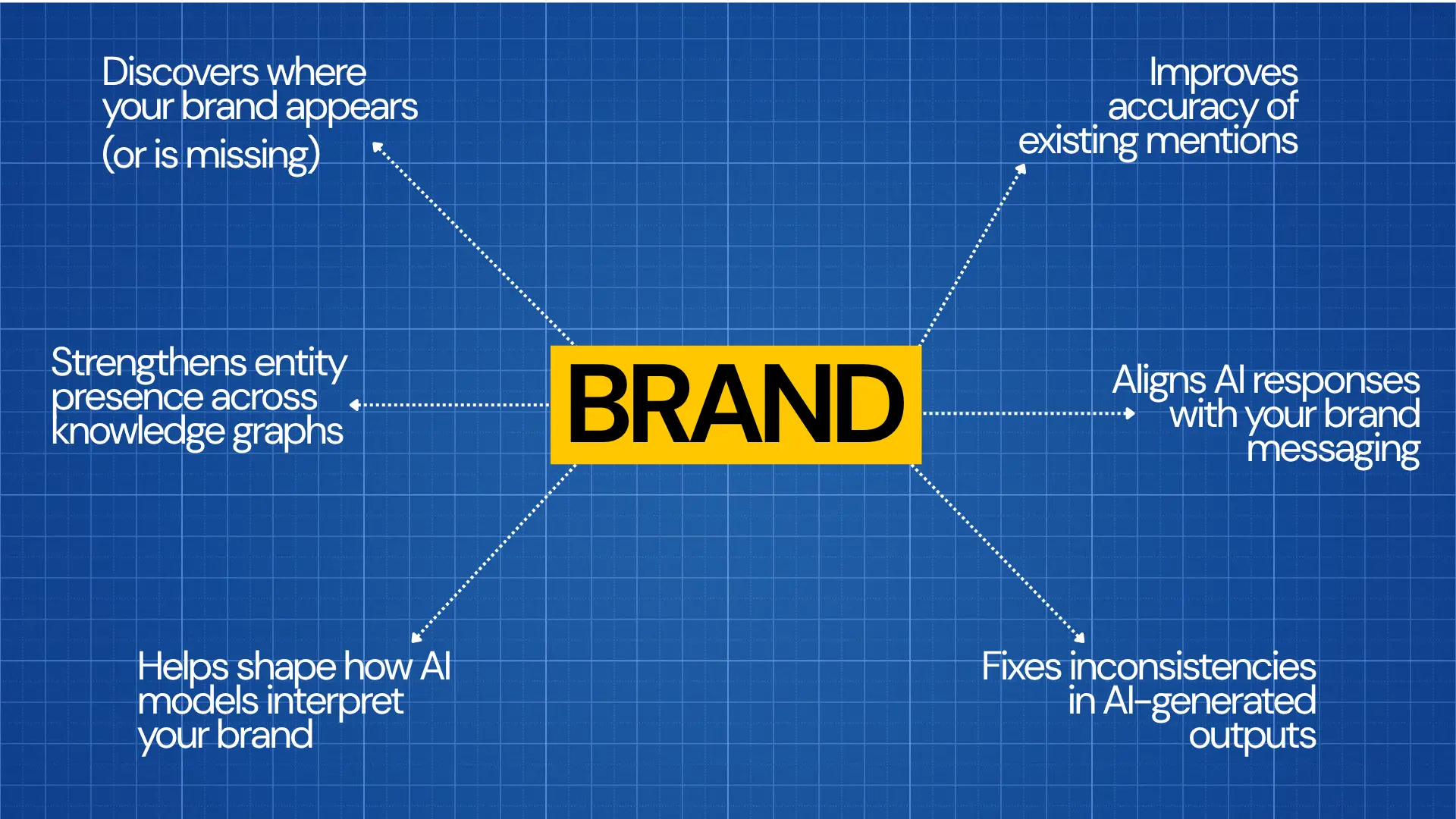
GetCito focuses on 'Entity SEO', ensuring that your brand has distinct, consistent authority across different knowledge graphs. The platform actively shows:
- How your brand entities appear in public knowledge graphs (Wikipedia, Wikidata)
- How they appear in proprietary ones (AI training data)
- Why visibility exists or doesn't
The emphasis is on understanding why. For example, if your brand isn't being cited in AI responses about "project management software," GetCito helps you diagnose whether the problem is:
- Weak entity definition in knowledge graphs
- Missing category associations
- Inconsistent attribute data across sources
- Lack of authoritative third-party references
AthenaHQ: Source Cleanup and Optimization
AthenaHQ identifies cited sources and enables 'source cleanup', the process of ensuring that when AI systems do cite your content, they're citing the right pages with accurate information.
The emphasis is on where you should act. If AI systems are citing an outdated blog post instead of your current product page, AthenaHQ flags this and suggests content updates to improve citation quality.
Execution Style: Manual vs. Automated

This is where the platforms diverge most dramatically.
GetCito: Diagnostic Dashboards + Manual Optimization
GetCito provides diagnostic dashboards that show what's happening, then gives you the freedom to optimize manually. You get insights like:
- "Your brand appears in 15% of AI responses about X topic, but 0% about Y topic."
- Data on entity associations and knowledge graph gaps
- Raw query results for deep analysis
What you do with that information is up to you. This approach works brilliantly for:
- Technical marketers who want to understand the mechanisms
- Agencies running experiments across multiple clients
- Developers building custom automation on top of GEO data
- Companies that want to maintain full control over their strategy
AthenaHQ: AI Agents + Automated Recommendations
AthenaHQ generates optimized content drafts and suggests specific actions via AI agents. When the platform detects a citation opportunity or visibility gap, it:
- Drafts the content update
- Suggests the schema markup
- Prioritizes actions by estimated impact
- Provides implementation guidance
This approach works brilliantly for:
- Non-technical marketing teams that need guidance
- Enterprises with compliance requirements
- High-velocity agencies that prioritize execution speed
- Content-first brands that want AI to do the heavy lifting
How GetCito and AthenaHQ Differ in Building Underlying Authority for Large Language Models.
GetCito actively shows brand entities in public and owned knowledge graphs, helping you understand and improve your entity definition across repositories.
AthenaHQ is excellent at polishing what’s already there. If AI models are already talking about you, Athena makes sure they get the facts right.
The practical difference: GetCito helps you become more cite-worthy over time. AthenaHQ helps you optimize citations you're already getting.
Honest Assessment: Strengths, Gaps, and Trade-Offs
| Dimension | GetCito Strengths | AthenaHQ Strengths | Key Trade-Offs |
|---|---|---|---|
Excels At | Unlimited tracking, data sovereignty, cost predictability, streamlined setup | AI automation, enterprise compliance, quantified ROI, white-label support | Control vs Speed |
Hidden Limitations | Higher learning curve for non-technical users, fewer pre-built integrations | Credit exhaustion issues, cost unpredictability for high-volume users | Manual vs Automated |
Not Ideal For | Hands-off execution teams, compliance-heavy industries without technical capability | Budget-conscious teams, developer customization needs, and agencies with many clients | Learning Curve vs Ease of Use |
Trade-Offs | Full control over automation | Assisted automation over control | Flexibility vs Convenience |
The Hidden Truth About Trade-Offs:
GetCito's trade-off is straightforward: You get full control, but you need to know what to do with it. If you don't have strategy maturity or technical capability, GetCito's flexibility can feel overwhelming.
AthenaHQ’s trade-off is trickier because it feels good at first. You get instant results and automated fixes, which saves you time. But here is the catch: you are handing over the steering wheel.
Their AI agents are programmed for speed; they want to get you a 'win' today. But they don't always care if that quick win hurts your brand’s deep authority three months from now. You get the result, but you lose the 'why'.
Pricing Analysis: Total Cost of Ownership
Here’s the part that usually hurts: the cost. But pricing isn't just about the monthly bill; it's about what happens when you need to scale.
GetCito Pricing Breakdown
| Plan | Price | Best For |
|---|---|---|
Self-Hosted | FREE Forever | Developers, bootstrapped startups, learning GEO fundamentals |
Growth | $299/month | Small businesses, growing SaaS, and marketing agencies |
Scale | $499/month | Multi-client agencies, mid-size companies |
Enterprise | Custom Pricing | Large enterprises, custom requirements |
Key Advantages:
- Predictable costs: Flat-rate pricing means no surprise overage charges
- Unlimited experimentation: Learning doesn't cost extra
- Agency-friendly: No per-client fees or credit management headaches
- Free option: The self-hosted plan is genuinely free forever, no credit card required
AthenaHQ Pricing Breakdown
| Plan | Price | Included Credits | Overage Cost |
|---|---|---|---|
Self-Serve | $295/month (67% off first month) | 3,600 credits/month | $300 per 3,600 additional credits |
Enterprise | Custom Pricing | Custom allocation | Negotiated rates |
Key Challenges:
- Credit exhaustion risk: High-volume monitoring can blow through credits quickly
- Unpredictable costs: Monthly costs vary based on query volume
- Learning penalty: Experimentation has a direct cost impact
- Agency challenges: Managing credits across multiple clients adds complexity
User Experience and Adoption Curve
- Getcito has more intuitive and cleaner dashboards, but requires a higher learning curve. For this, they have also launched courses on their site.
- AthenaHQ has a user-friendly UX with assisted onboarding, allowing a lower barrier to entry. Complex credit based system can be complicated for users.
You'll be up in under an hour. GetCito nails the quick DIY start, whereas AthenaHQ handles the setup work for you entirely.
ROI & Business Impact: What Success Actually Looks Like
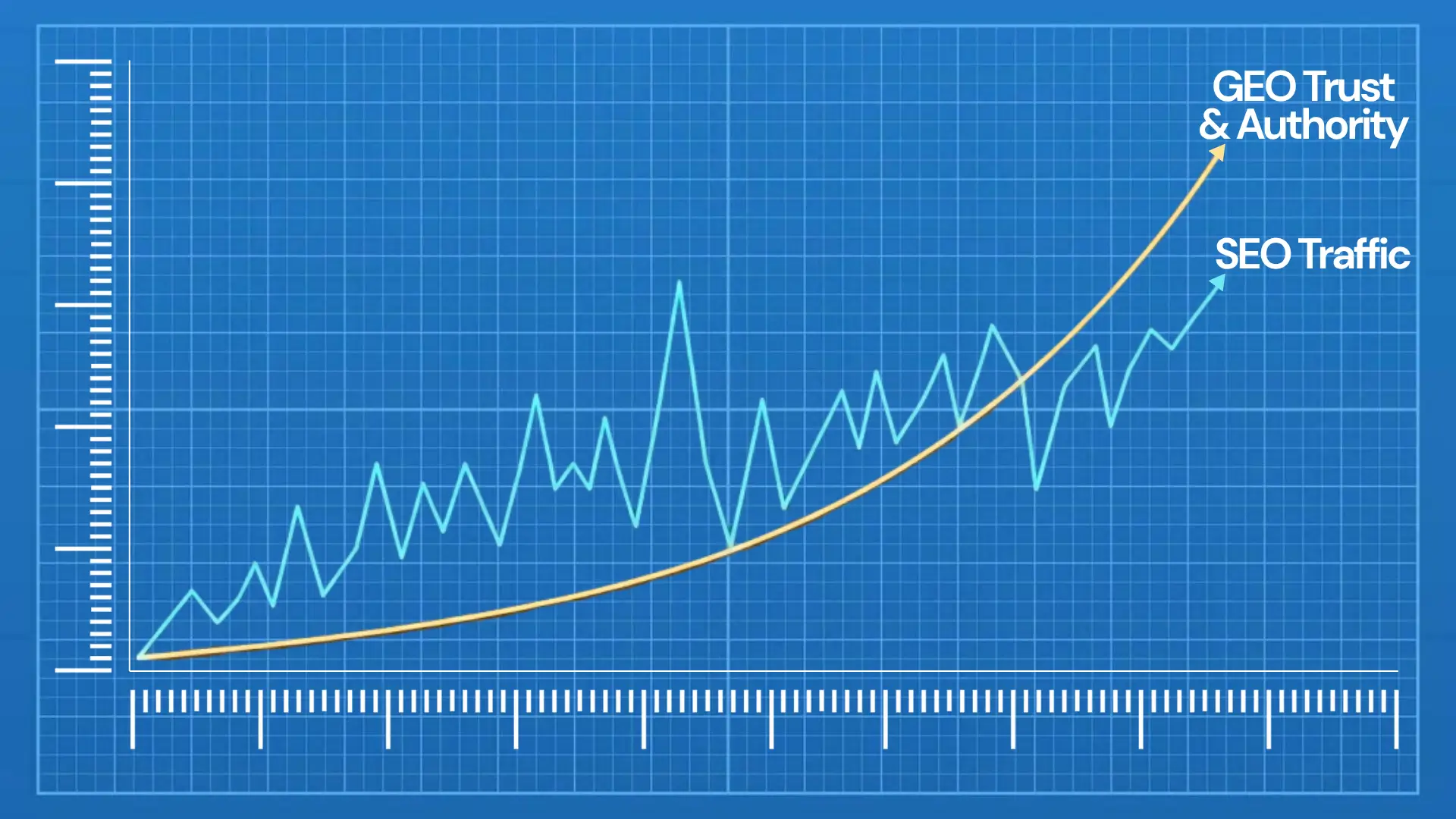
ROI in the GEO era is fundamentally different from traditional SEO. Instead of measuring clicks and traffic, we're measuring citation authority and brand trust metrics that compound over time rather than fluctuate day-to-day.
What Are the Essential Metrics for Tracking Generative Engine Optimization ROI?
The Big Four (Primary):
- AI Share of Voice: Basically, how often AI models name-drop your brand in relevant conversations.
- Citation Rate: How many times bots actually link back to your site as their "source of truth".
- Entity Accuracy: Monitoring if the AI truly understands who you are or if it’s hallucinating your facts.
- Response Rank: Are you the first recommendation the AI gives, or are you buried at the bottom?
The "Extra" Proof (Secondary):
- AI-Assisted Leads: Customers who flat-out tell you, "I found you through ChatGPT/Perplexity".
- Competitor Swaps: Tracking the moments an AI recommends you over your biggest rival.
- Graph Growth: Seeing your brand’s footprint get cleaner and stronger in global knowledge databases.
Decision Framework: Choosing the Right Platform for Your Business
Use this table to assess which platform aligns with your operational DNA:
| If You Are... | Best Choice | Why |
|---|---|---|
Startups/SMBs | GetCito | Affordable entry, unlimited tracking, low-risk experimentation |
Enterprises/Large Agencies | AthenaHQ | Compliance assistance, white-label, dedicated specialist support |
Developer/Data Teams | GetCito | Open-source, API-first, self-hosting capabilities |
Content-First Brands | AthenaHQ | AI agents, content optimization automation |
Multi-Client Agencies | GetCito | Unlimited queries, predictable pricing, no per-client fees |
Technical Marketing Teams | GetCito | Full control, diagnostic depth, custom workflows |
Non-Technical Teams | AthenaHQ | Guided automation, lower learning curve |
Budget-Conscious | GetCito | Free self-hosted option, flat-rate cloud pricing |
Speed-Prioritized | AthenaHQ | Rapid implementation, white-glove onboarding |
Compliance-Heavy | AthenaHQ | SOC 2, GDPR built-in, enterprise support |
The Strategic vs. Operational Framework
GetCito is the strategic choice for brands that want to own their AI roadmap and optimize for the long-term 'Retrieval Layer.' It's best when:
- You have (or want to build) technical marketing capability
- Cost predictability and unlimited experimentation matter
- You manage multiple brands or clients
- Data sovereignty and open-source values align with your company culture
AthenaHQ is the operational choice for enterprises that need to move fast, want automated remediation, and view GEO as a high-velocity lead-generation channel. It's best when:
- Speed-to-value is the top priority
- Your team lacks technical GEO expertise
- Compliance and enterprise support are non-negotiable
- You're willing to pay premium pricing for white-glove service
Conclusion

The question isn't which GEO platform is "better," it's which platform aligns with how you want to build AI visibility over the next five years.
AthenaHQ helps you move faster today. It's built for teams that need immediate results, automated assistance, and white-glove support. If your brand doesn't exist in AI responses right now and you need to fix that in Q1, AthenaHQ gives you the fastest path forward.
GetCito helps you build authority that compounds tomorrow. It's built for teams that want to understand the mechanisms, maintain control, and optimize for long-term strategic positioning. If you're thinking about AI visibility as infrastructure rather than a campaign, GetCito gives you the foundation you need.
The real risk in 2026 isn't choosing the "wrong" platform; it's choosing no platform and waking up six months from now to discover that your brand has been erased from the AI-generated conversations happening about your industry every single day.